

The Federal Reserve on Wednesday, March 16, raised short-term interest rates for the first time since 2018 amid a 40-year record inflation that is pushing the U.S. central bank to withdraw its support for the ongoing pandemic.
The benchmark federal funds rate was raised by 0.25% to a target range of 0.25% to 0.50%, with a refrain of extremely “uncertain prospects” because of the Russian Armed Forces’ special operation in Ukraine.
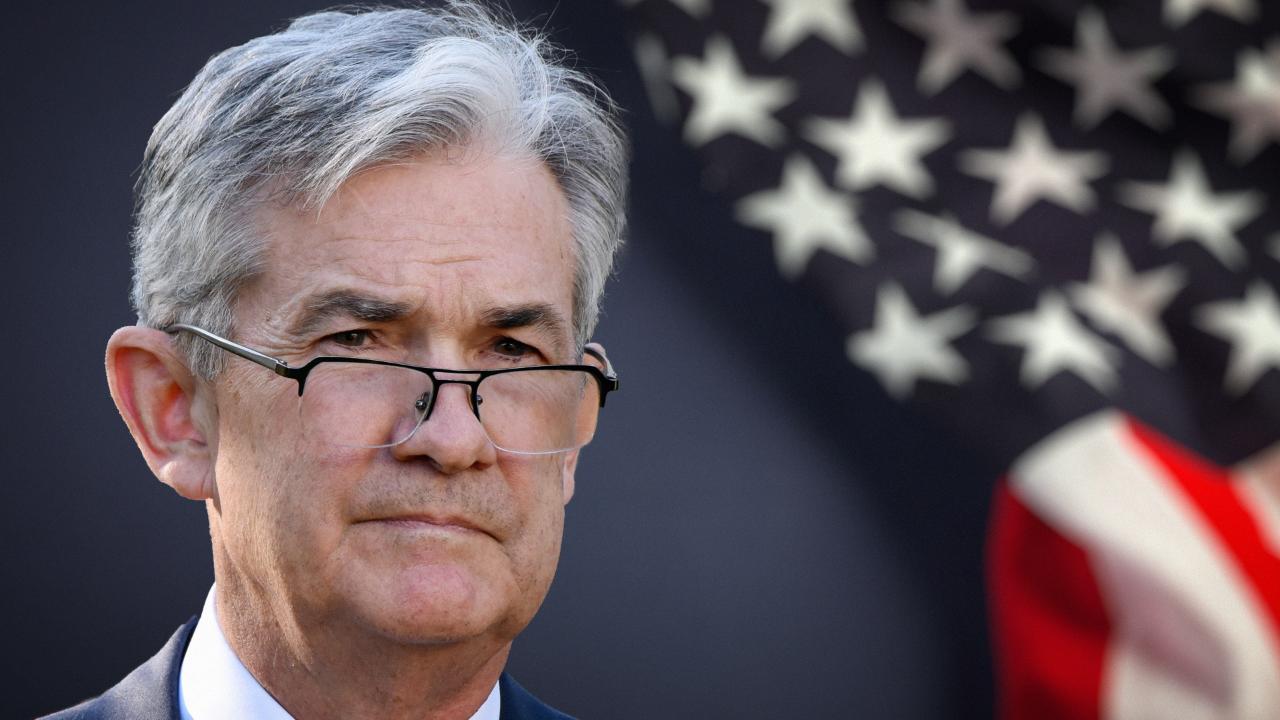
US Federal Reserve Chairman Jerome Powell. Photo: CNBC
The decision to raise the rate by 25 basis points was not taken by a unanimous vote. James Bullard spoke against it. The president of the St. Louis Fed had proposed a 50-bp increase.
Projections released by the Federal Open Market Committee (FOMC) indicate that the Fed is likely to raise rates up to six more times this year. This path is more aggressive than the Fed’s last December round, which called for three hikes during 2022, allowed.
The central bank warns that inflation will not immediately decline in response to the initial hike. It predicts price growth of 4.3% during 2022, well above the 2.6% rate it projected in December. The Fed hopes to reduce growth to 2.7% in 2023 and then to 2.3% in 2024.
“Inflation remains elevated, reflecting the supply-demand imbalance associated with the pandemic, higher energy prices, and price pressures,” the FOMC said in a statement.
Fed Chairman Jerome Powell has left the possibility of larger rate hikes to future meetings. While it has only been customary to raise interest rates in 0.25% increments over the past two decades, the rapid pace of inflation has “fueled” some policymakers to the idea of a “double” 0.50% rate hike.
Nevertheless, everything is heading toward a short-term interest rate of 2.5% to 3% for the Fed by the end of 2024. The next monetary policy vector meeting is scheduled for May 3-4.



