

Costa Rica
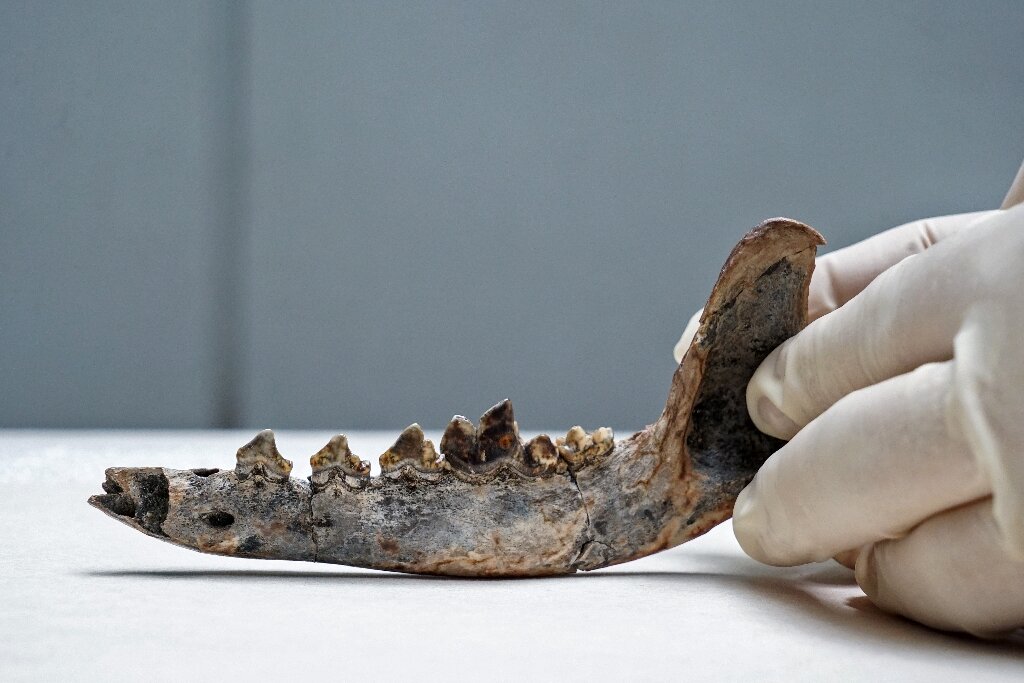
San José, Costa Rica — The fossil of a jaw bone could prove that domesticated dogs lived in Central America as far back as 12,000 years ago, according to a study by Latin American scientists.
The dogs, and their masters, potentially lived alongside giant animals, researchers say.
A 1978 dig in Nacaome, northeast Costa Rica, found bone remains from the Late Pleistocene.
Excavations began in the 1990s and produced the remains of a giant horse, Equus sp, a glyptodon (a large armadillo), a mastodon (an ancestor of the modern elephant), and a piece of the jaw from what was originally thought to be a coyote skull.
TECHNOLOGY
TECHNOLOGY
TECHNOLOGY
“We thought it was very strange to have a coyote in the Pleistocene, that is to say 12,000 years ago,” Costa Rican researcher Guillermo Vargas told AFP.
“When we started looking at the bone fragments, we started to see characteristics that could have been from a dog.



