

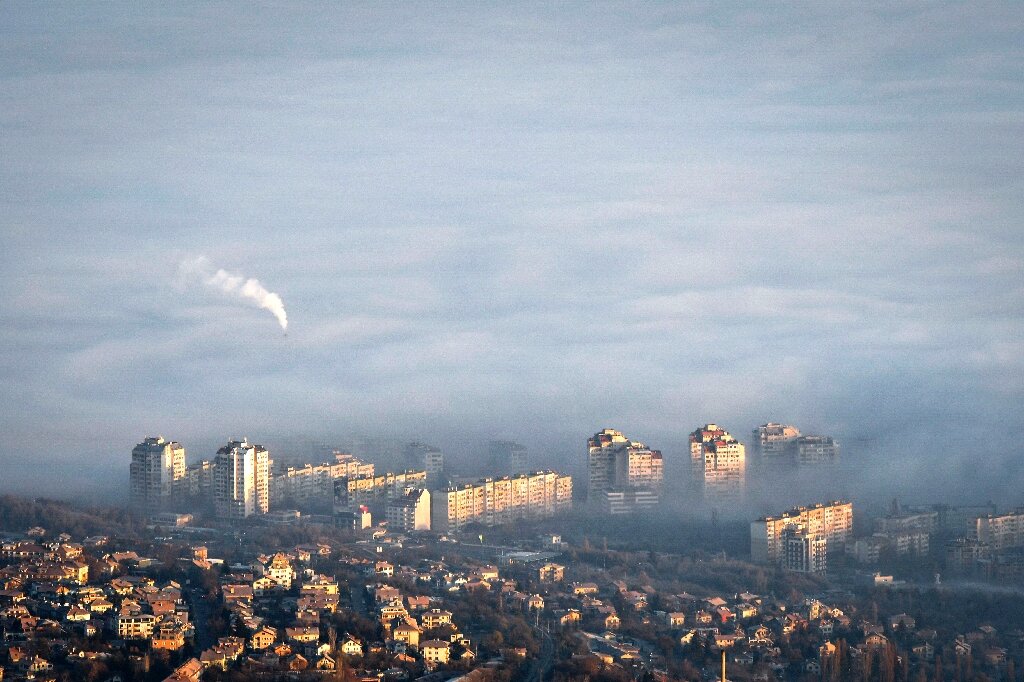
Image: nadisja/IStock.com via AFP Relaxnews
Limiting air pollution to levels recommended by the World Health Organization (WHO) could prevent more than 50,000 deaths in Europe annually, according to research published Wednesday that called for urgent action.
The WHO estimates that air pollution kills more than seven million people each year and is one of the leading causes of sickness and absenteeism globally.
Cities, with their crowded streets and high energy use, are hotspots for illness and disease linked to air pollution.
The WHO recommends that fine particulate matter (PM2.5) not exceed 10 milligrams per cubic meter of air, averaged annually. For nitrous oxide (NO2), the threshold not to be exceeded is 40 milligrams per cubic meter.
TECHNOLOGY
TECHNOLOGY
TECHNOLOGY
Wednesday’s study, published in the Lancet Planetary Health journal, estimated the premature death burden due to these two pollutants in nearly 1,000 cities across Europe. It found that reducing PM2.5 and nitrous oxide to safe WHO levels could prevent 51,213 premature deaths each year.
Nearly 125,000 deaths annually could be saved if air pollution levels were reduced to the lowest recorded in the study, its authors said.



