

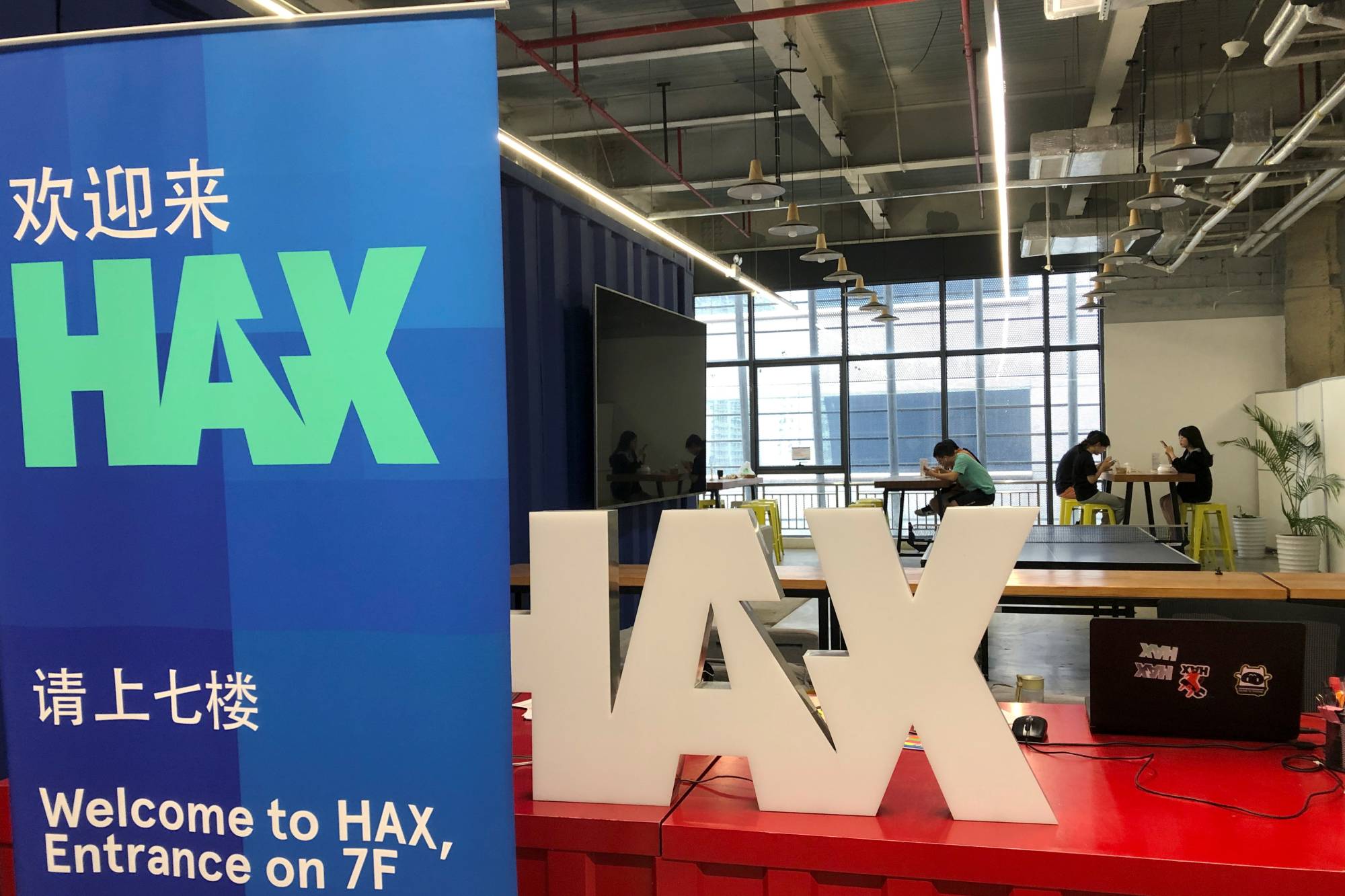
Start-up teams and staff take a lunch break at Hax’s office amid the global coronavirus disease (COVID-19) pandemic in Shenzhen’s Huaqiangbei electronics market, Guangdong province, China July 16, 2021. REUTERS
SHENZHEN, China — From an office in , an engineering team is prototyping a bioreactor that will one day produce “cultivated meat”, discussing component sizes in a video call with scientists sitting in kitchens and bedrooms in the UK.
It’s a complicated conversation about precision parts that would ordinarily need a hands-on meeting in Shenzhen, the hardware centre of the world where product makers can buy and tinker with any gear they need.
Hax, the firm backing the bioreactor, invests in more than 30 such hardware startups from overseas each year and would typically fly them to Shenzhen to build their products.
But China’s COVID-19 border closures have paralyzed this movement of talent, throwing a spanner in the rapid cycles of product development that power Shenzhen, a free-wheeling tech hub built on the country’s early efforts to open itself to the world.
TECHNOLOGY
TECHNOLOGY
TECHNOLOGY
“We’d normally just jam with teams under one roof, rolling up our sleeves and getting involved in the electronics and chemicals, but we had to find a different way of working with teams,” said Ke Ji, a China-born mechanical engineer and Canadian citizen who is Hax’s program director.
Without that international bustle, it is now mostly domestic staff and startups using the immersion tanks, humidity chambers and other obscure items in Hax’s spacious office in Shenzhen’s Huaqiangbei, the world’s largest electronics market.



