


Last week, May 31, marked the 10th anniversary of the completion of SpaceX Dragon’s first mission, COTS 2, to and from the International Space Station. Just a few years earlier, on September 28, 2008, the company launched the Falcon 1 into orbit on its fourth attempt.
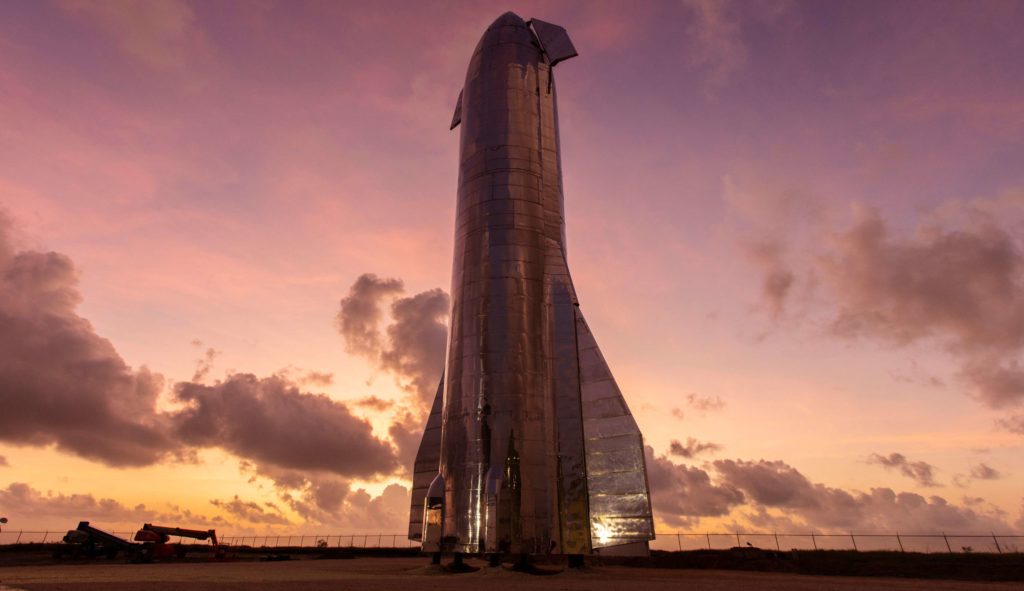
Elon Musk recently announced on Twitter that he is ready to “build 1,000+ starships to bring life to Mars.
Build 1000+ Starships to transport life to Mars. Basically, (very) modern Noah’s Arks.
– Elon Musk (@elonmusk) June 5, 2022
The founder of SpaceX said they would become “a modern-day Noah’s Ark,” Musk noted, echoing a statement he made during a recent interview with TED curator Chris Anderson. At the time, he suggested that SpaceX would reach that goal by 2050 and send a million people to Mars.
Musk’s plans can be controversial, and the main reason is that even given SpaceX’s high standards, they are not very realistic. Perhaps the main indicator of this point is the extent to which the businessman’s statement is inconsistent with NASA’s plans for Mars.
While Musk claims that SpaceX will send a million people to Mars by 2050, NASA aims to deliver the first humans to Mars — probably with SpaceX — by the 2030s or 2040s, beginning a multi-year campaign of scientific exploration.
Read more
Chinese AI predicts course of hypersonic missiles. Retaliatory strike will be ahead of the curve
HPV, cancer and syphilis mixtures produce “immortal” cells: what is known about them
Japanese astronomers find unknown structure in the galaxy



