

Diesel fuel fell in price by 10% on the exchange amid significant problems with logistics and exports, which accounted for 50% of the fuel produced.
The main buyers of Russian diesel fuel, located in Europe, refuse or significantly reduce the volume of purchases due to sanctions, which prevent both to carry out transactions and to charter the necessary fleet for transportation.
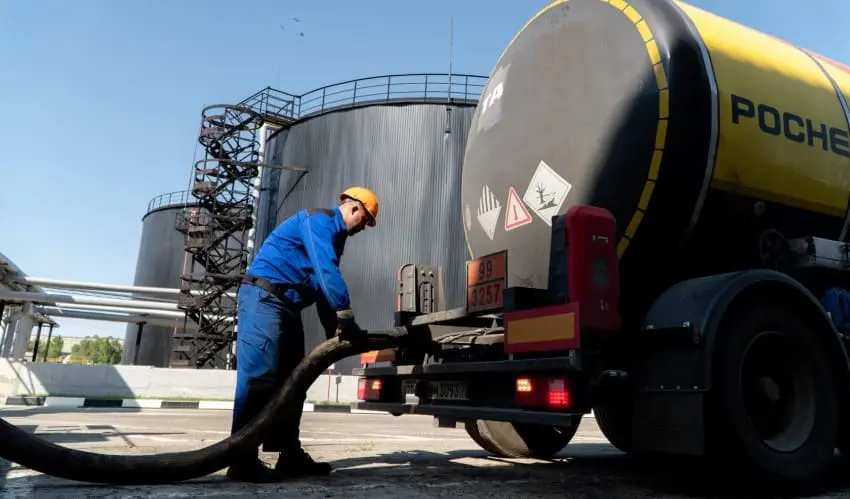
Diesel fuel at Rosneft refinery. Photo: Yandex Images
Prices began to decline with the start of Russia’s special operation in Ukraine. Winter diesel fuel at the St. Petersburg Mercantile Exchange now costs 51738 thousand rubles per ton. Interseasonal fuel price went down to 51302 thousand rubles. Summer diesel fuel has fallen in price the most. The price dropped down to 49576 thousand rubles per ton.
Industry analysts don’t expect reduction of prices at gas stations. In their opinion, retailers of petroleum products have not yet considered changes on the wholesale market that usually take place within a month. But even after that one should not expect the price of diesel fuel at gas stations to decrease.
In the international market an additional problem with Russian petroleum products arose because of the lack or impossibility of financing transactions due to the rising cost of banking services. This significantly complicates all petroleum product supply chains, including filling stations.
And in a situation when oil companies could increase production of raw materials, as well as production of products made of it, guided by high prices for black gold in the world market, market participants are likely to be forced to both reduce the supply and production of finished products.
Despite the fact that at the moment Russian exports are not in a state of “chaos”, analysts warn about possible refinery shutdowns in the future if the filling of tank capacities passes a critical level.
Well and will not forget about the pricing of light petroleum products. In the price per liter of only 4% is the cost of production. 7% adds transportation and logistics components. About 13% is added to the cost of fuel by refinery operations. Approximately 16% is taken from a consumer by a retail network (gas stations). Excise duties and taxes account for the remaining 60%.
The topic of gasoline and diesel prices in Russia is quite interesting. You can read more about it in the article Cheap Petrol for Russia or How to Join the World’s Five Developed Economies.
And in conclusion I would like to say one thing. Russia is too vast and rich a country to be put in order in “one” day. I very much hope that sooner or later we will clean up the country’s fuel market as well. There are all the prerequisites for this.



