

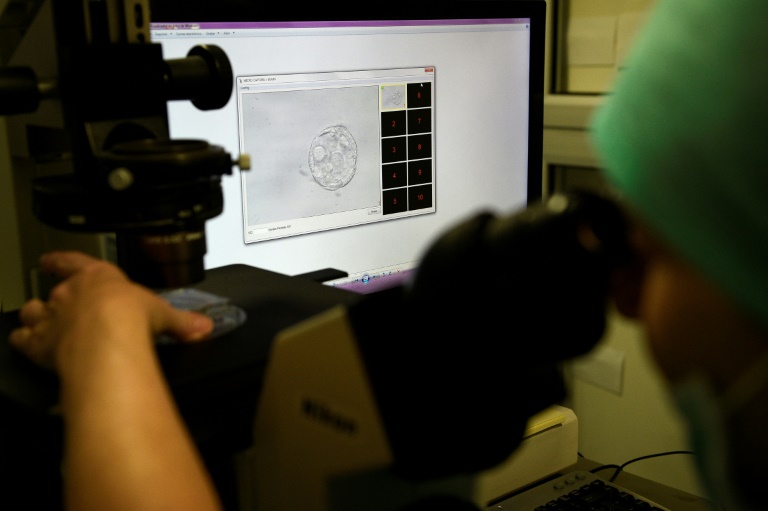
Research on the earliest days of embryonic development relies on donated blastocysts from IVF treatment. research on the earliest days of embryonic development relies on donated blastocysts from IVF treatment. Image: u3d / Shutterstock©
Scientists have generated early-stage human embryo models that could help shed light on the “black box” of initial human development stages and improve research on pregnancy loss and birth defects.
Two separate teams found different ways to produce versions of a blastocyst — the pre-embryonic mass of cells at the stage of development around five days after a sperm fertilizes an egg — potentially opening the door for a huge expansion of research.
The scientists make clear that the models differ from human blastocysts and are not capable of developing into embryos. But their work comes as new ethical guidelines on such research are being drafted and could spark fresh debate.
The teams, whose research was published Wednesday in the journal Nature, believe the models dubbed “blastoids” will aid research on everything from miscarriages to the effects of toxins and drugs on early-stage embryos.
TECHNOLOGY
TECHNOLOGY
TECHNOLOGY
“We’re very excited,” said Jun Wu of the University of Texas Southwestern Medical Center, who led one of the teams.
“Studying human development is really difficult, especially at this stage of development, it’s essentially a black box,” he told a press briefing ahead of the research’s publication.



