

No sooner had Europe caught its breath after the epic heating season and got used to taking cold showers in the summertime, than new energy clouds thickened over the continent. Yesterday gas exchange prices rose sharply by 15% in the EU, and today trading began with another 5% increase.
Despite the fact that news from overseas were the immediate growth driver, the cumulative circumstances may continue to influence further growth of gas price tags up to autumn, and there pass the “client” to the heating season.
Europe remains without LNG from Texas
Let’s start with the fact that last week there was a fire at Freeport LNG, Texas’ largest natural gas liquefaction terminal. Given market conditions and the importance of the facility, which is responsible for nearly 20% of all U.S. LNG exports, those involved were hoping for an accelerated recovery mode that would not exceed three weeks.
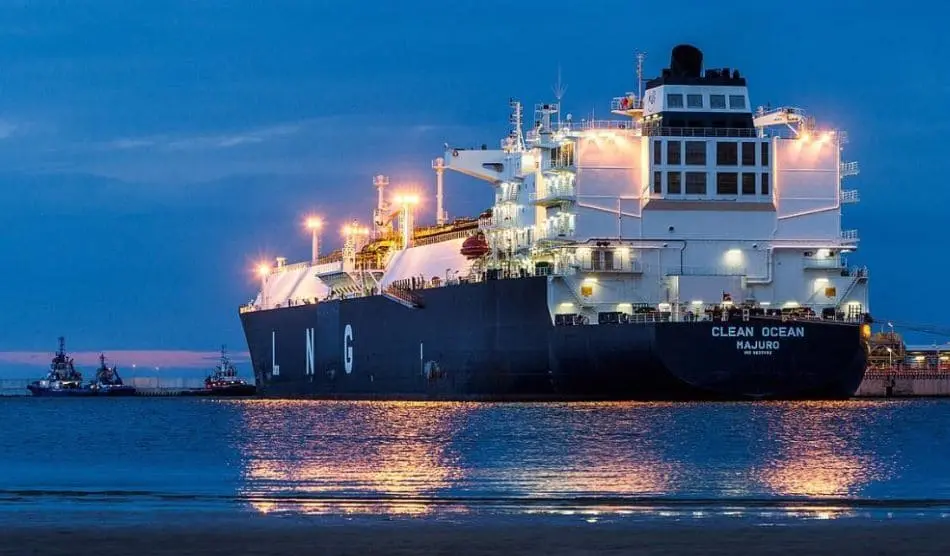
The Europeans will see fewer such ships until the fall. Photo: Yandex Images
But yesterday it became clear that weeks had become months, and the work will last at least 90 days. This means that Freeport LNG will focus on the domestic market on the basis of operating capacity, and will not be able to send LNG to Europe for the time being.
This was great news for EU officials, given that a strike will continue at the Prelude LNG terminal in Australia until the end of this month, and Norway has already started scheduled maintenance work on its gas transmission system.
Spiegel reveals Gazprom’s plans
What to do only Chernyshevsky knew, so Klaus Müller, head of the German Federal Network Agency, decided to cut straight to the chase
.
“In the summer, we can expect a sharp reduction in natural gas supplies from Russia to Germany amid technical work on the Nord Stream pipeline,” Der Spiegel wrote.
On topic: Gas prices will not go “back” in the coming years
Russia remains the most important supplier of blue fuel to Europe, and the JV is the most important transit artery for Russian gas supplies to the West. Any reduction in supply would jeopardize the filling rate of the natural gas storage facilities, which are currently only slightly above 53 percent. This is better than in previous years, but far from the planned minimum of 80 percent, the German publication continues to stress.
It is not clear to Der Spiegel how necessary is the maintenance of the Baltic Sea pipeline. Nevertheless, they think that this work is a “tactical maneuver of Moscow,” which will prevent the Europeans from filling the European storage facilities in full and preparing for the winter season in full.
Against this background, the desire of our neighbors to conclude an “LNG lend-lease agreement” with the US simply looks cute. As if Washington has nothing better to do than to subsidize its “colony” with fuel, while it is experiencing an energy crisis itself.
Although half of the tanker may still be sold to them, but only for a photo in a Wall Street Journal or Bloomberg article about the great interaction of nations during the confrontation with Russia.



