

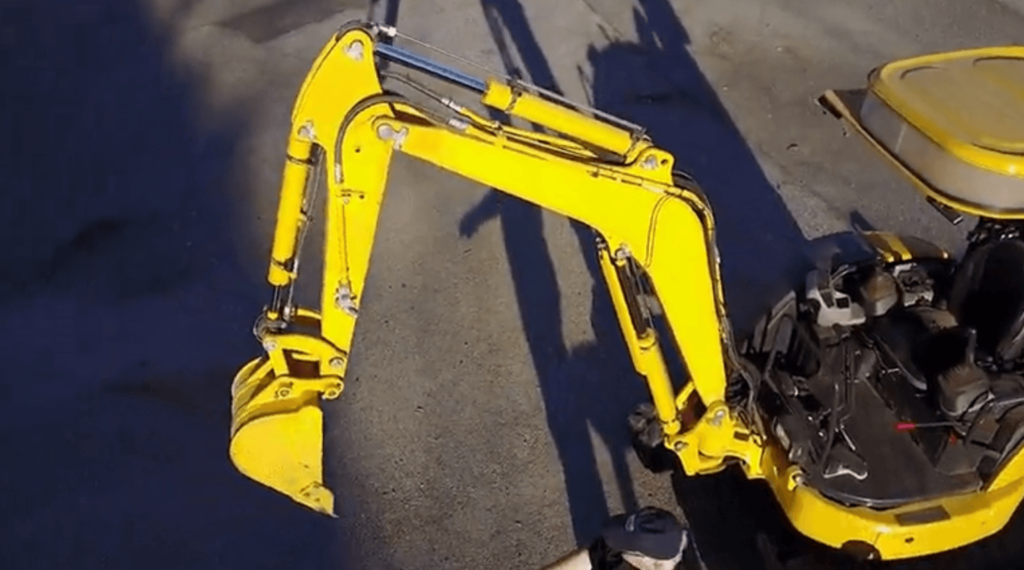

The SRI approach makes modifications to the excavator optional. In other words, a classic operator can sit at the controls at any time. The excavator can also be controlled by a sophisticated remote control, which specialists sometimes use when the excavator is in inaccessible or dangerous places for the operator.
But to operate it with the console required a camera module on top of the unit, as well as antennas. The cameras are programmed to detect objects within a 360-degree radius, as well as people who might get close. If a dangerous approach occurs, the excavator stops any movement and starts beeping lights to warn the person who has entered its range.
The operator can control the machine remotely using a pair of joysticks and a virtual reality headset. It doesn’t even require any special operating skills. The excavator’s articulated arm repeats the movements of the technician’s hand, so digging takes place on an intuitive level. It is not yet known whether SRI’s invention will appear on construction sites. Perhaps first the creators of the invention will have to overcome many legal obstacles.
Recall that it was SRI International Research Institute, a division of Stanford University, created the technology that became the basis for the voice assistant Siri, and the robot that can control a Yamaha motorcycle.
Read more:
Humanity’s largest genealogical tree revealed the history of our species
Physicists recreated T-1000 abilities from “Terminator 2” in lab
Scientists may have found the missing link between single cells and human cells



