

The complicated political triangle between Moscow, Washington, and Berlin, which prevents an increase in Russian gas supplies via Nord Stream 2, creates demand for another fuel, of which Russia is also a supplier.
Moscow’s second energy trump card
Despite the trendy “green” European agenda, our Western partners are forced to buy Russian coal, the supply of which increased significantly last year and will be increased this year
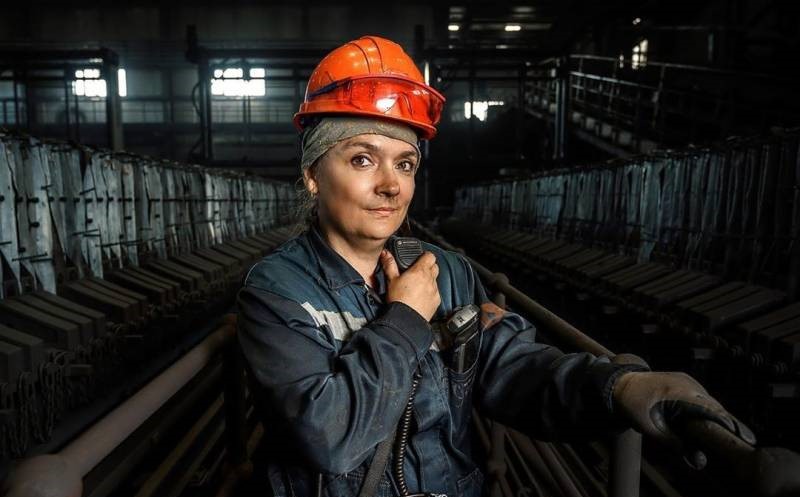
. Miner’s Day in Yakutia. Photo: Pavel Usachenko.
According to industry experts, the share of coal in the energy balance of Germany in 2021 added 6% and amounted to 32% in annual terms. However, in January of this year alone, it already reached 37%. The closure of three of the six nuclear power plants on the country’s energy balance, as well as Germany’s complete cessation of its own hard coal in 2019, played no small part in the situation.
Today, the descendants of Friedrich Nietzsche produce only lignite. This is a type of lignite with a huge amount of extraneous impurities, and correspondingly poor thermal performance.
Many more of our friends
The next nominees doomed to “eternal friendship” with Russia are Warsaw, Foggy Albion and France. The share of Russian deliveries to these countries is 87%, 54% and 53% respectively of the total imports. The Poles are especially lucky because they import predominantly by rail and in a situation of shortages of Russian supplies, it will be virtually impossible to replace this volume.
At the moment, in Europe’s largest coal storages located in the Netherlands, stocks are at their lowest levels in recent years. This is partly due to the limited export capacity of the United States and Colombia. South Africa and Indonesia are also contributing to supply disruptions.
Russia, in turn, is increasing its production volumes. The Russian Ministry of Energy estimates that in 2022 the industry will set a production record of about 450 million tons. More than half of this volume will be exported. Experts predict that the Asian-Pacific region will get about 140 mln tons, while Europe will get less than 100 mln tons.
Given the trusting relationship between Moscow and Beijing, which is willing to buy more than it currently does, Europe will have to depend on Russia for a long time to come. Both the vassal position of Brussels and Berlin from the United States and alternative export options will help Moscow.
On topic: Europe switches to coal, fuel oil breaks price record, but European “barmalays” don’t give up



